
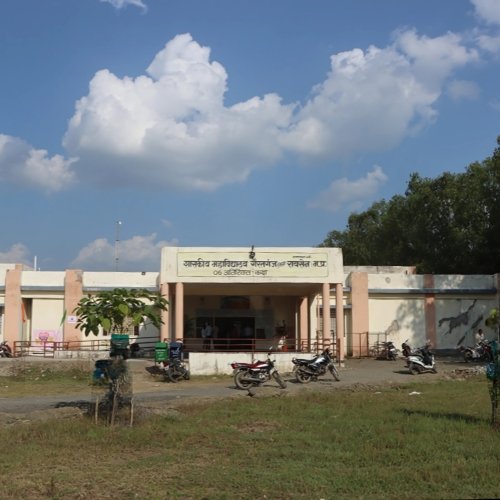
College comprises well-planned buildings designed to support academic & extracurricular activities. These include departments, classrooms, staff rooms, seminar halls, library and laboratories. Each building is structured to provide proper ventilation, lighting & accessibility, creating an optimal learning atmosphere. With dedicated zones for sports, NSS & administration, the infrastructure ensures functional distribution of space that enhances the overall educational experience & campus life.
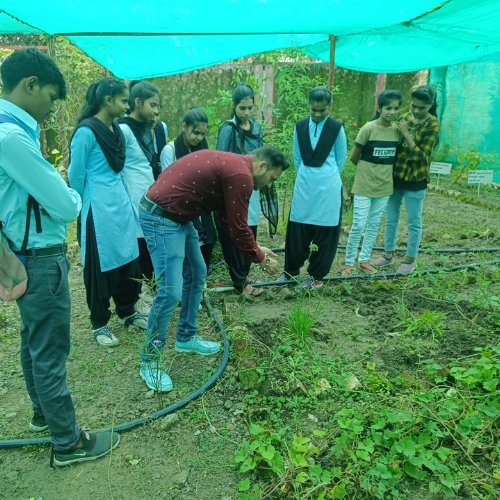
The Botanical Garden offers a peaceful green space within the college dedicated to plant study and conservation. It features a diverse collection of flora including medicinal, rare, and ornamental species. This facility provides students with hands-on exposure to botany, environmental science, and sustainability practices. Beyond its educational role, the garden enhances the ecological balance of the campus and offers a serene environment for relaxation, making it a vital blend of learning and leisure.
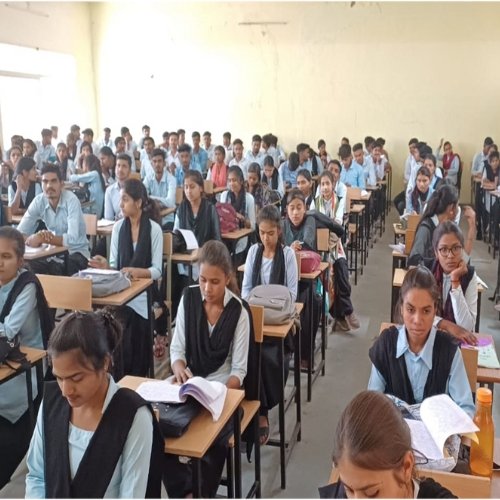
The classrooms serve as the primary learning environment where students and faculty engage in daily academic activities. Spacious and well-ventilated, these rooms are designed to create a positive and focused atmosphere for learning. Equipped with blackboards, seating, and in some cases digital teaching aids, they cater to traditional and modern pedagogical methods. A thoughtfully set-up classroom contributes significantly to student engagement, retention, and collaborative learning experiences.
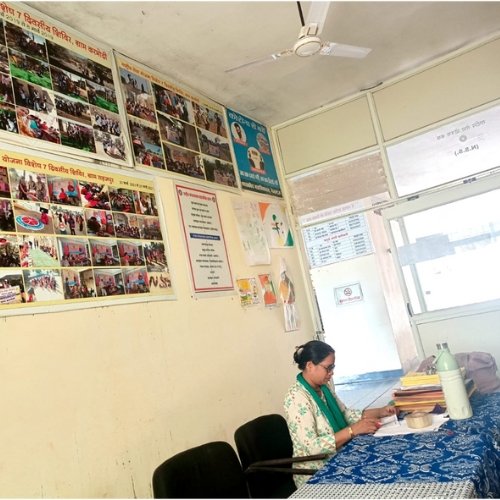
The NSS Room acts as the operational center for the National Service Scheme activities. It provides an organized space for volunteers to plan and coordinate community service initiatives such as awareness drives, cleanliness campaigns, and health camps. Equipped with essential resources like seating arrangements, storage for materials, and basic office tools, it facilitates smooth execution of programs. This room fosters a spirit of social responsibility, leadership, and civic engagement among students while building an active connection with society through structured service.
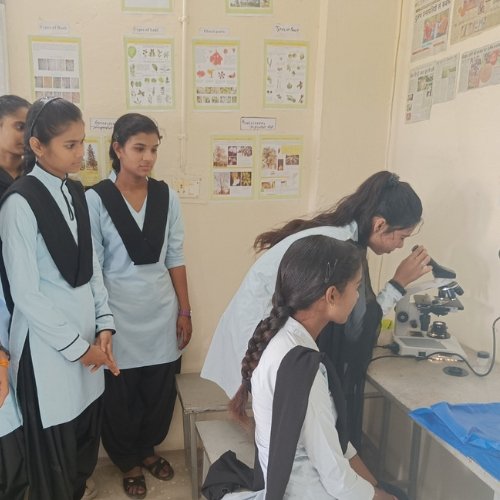
Laboratories in the college play a crucial role in bridging theoretical knowledge with practical application. Designed to support subjects like physics, chemistry, biology, and language learning, these labs are equipped with modern tools and safety measures. They provide students with opportunities to experiment, observe, and develop critical analytical skills. Regular practical sessions enhance understanding, stimulate curiosity, and prepare students for research and real-world challenges in scientific and technical fields.
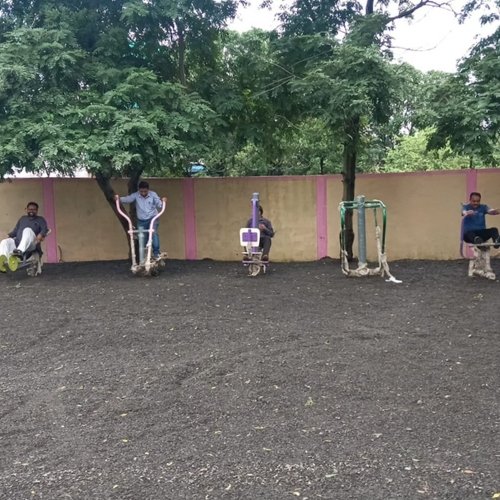
The Sports Room serves as a dedicated hub for recreational and athletic development within the campus. It supports students’ physical and mental well-being by encouraging regular exercise, reducing stress, and enhancing confidence. The space promotes teamwork, communication, and social interaction through group activities. With convenient access to sports equipment and indoor facilities, it fosters a culture of healthy competition and active participation. Overall, it plays a crucial role in improving academic focus, discipline, and personal growth among students.
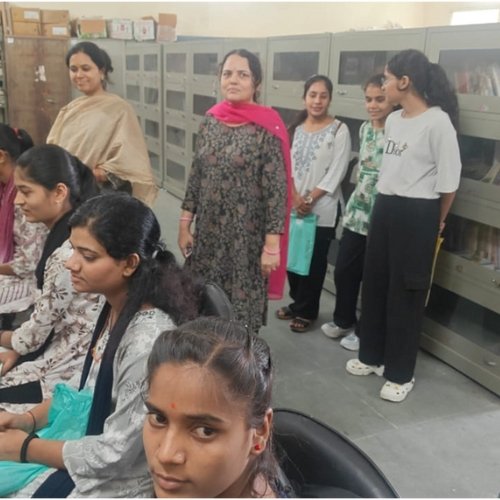
The college library is a vital academic resource center equipped with an extensive collection of books, journals, reference materials, and digital databases. It supports both curricular and co-curricular learning by offering access to knowledge across disciplines. Comfortable reading areas, cataloguing systems, and internet facilities encourage research and self-study. The library fosters intellectual growth, critical thinking, and academic excellence by being a quiet and resourceful space for all students and faculty members.
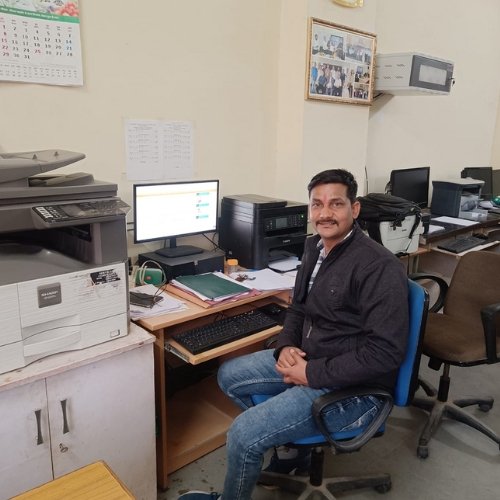
The Administrative Offices serve as the core support system for managing academic, financial, and institutional operations. These offices ensure the smooth functioning of the college by handling student records, faculty coordination, admissions, examinations, and communication with stakeholders. Staffed by qualified personnel, the administrative wing also offers necessary assistance to students and visitors. Its structured layout and digital facilities contribute to streamlined workflows, governance, and overall operational efficiency in the campus environment.

Govternment College, Gairatganj, Established in 1989, NAAC ‘C’ Grade accredited, offering quality education in Arts, Commerce & Science. Dedicated to inclusive growth and holistic student development in rural Madhya Pradesh.
Copyright @ 2025 Government College, Gairatganj. All rights reserved. Designed by e-Suvidha Tech